AT&T · Flagship case study
Aligning a national device experience with how people shop
I designed and led national mixed-method research into AT&T Device Alive, the in-store experience customers use to explore phones. The platform’s source-reported scale was 2B views, 53M users, and 130,000 touchpoints. Fieldwork showed a gap between content delivery and natural shopping behavior, informing a more useful, flexible experience direction.
[NEED FROM LOGAN: survey question, baseline or comparison set, sample size, timeframe, scale measurement period, research dates, and current redesign delivery status]
Source-reported platform scale: 2B views · 53M users · 130,000 touchpoints. These describe reach, not causal redesign outcomes.
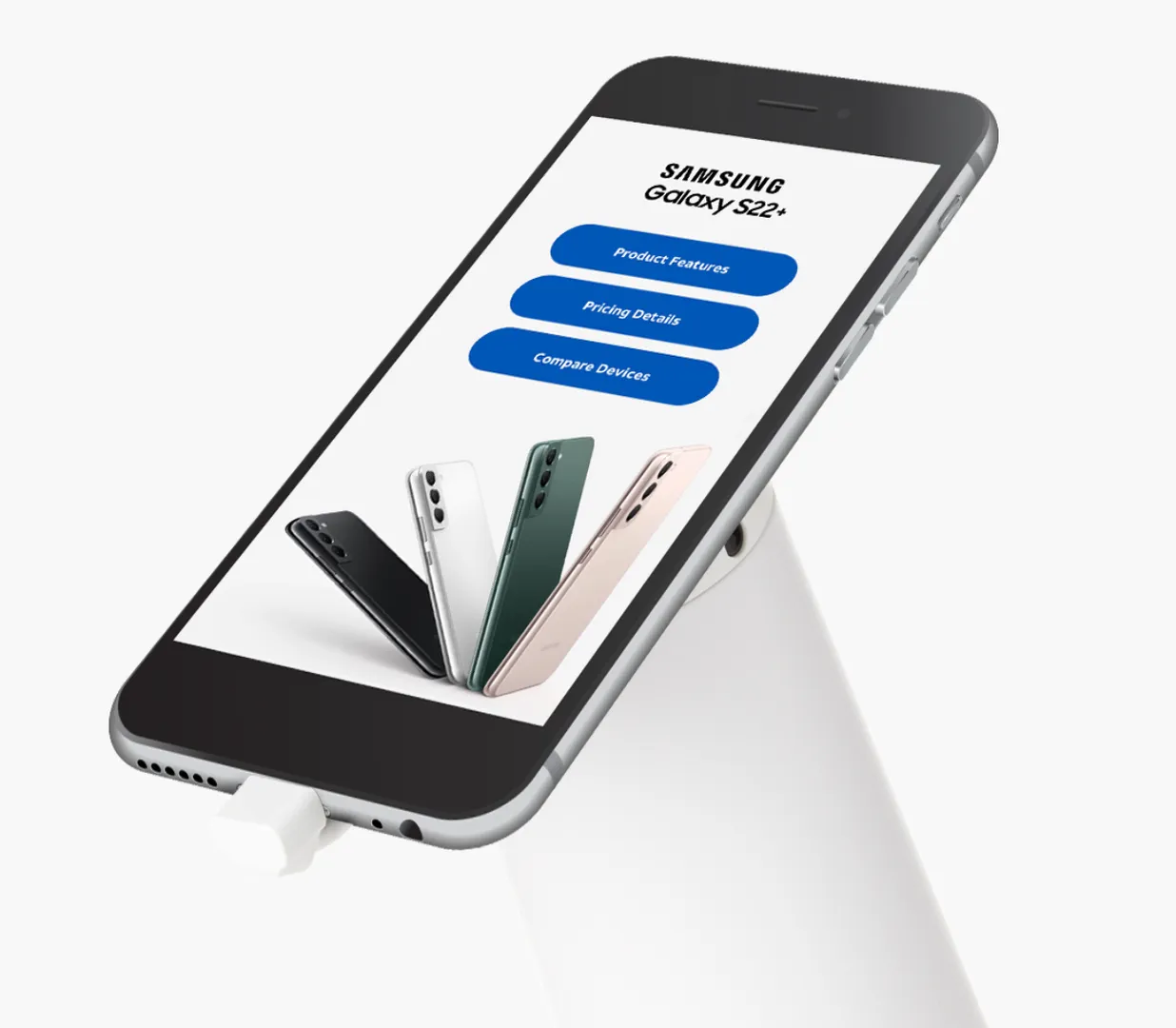
Context: AT&T
Device Alive combined customer education and retail marketing on demo phones. Its reach made understanding actual shopper behavior essential.
The challenge
Customers often closed the experience and searched for information that was already present but difficult to discover.
The insight that changed the direction
Shoppers came to test how a phone felt and how its everyday features worked. Curated information needed to support that exploration.
Before / Observed context
Content was present, but many customers closed it before discovering useful information.
After / Direction taken
A redesign direction prioritizing flexible exploration, clear navigation, and relevant product details.
What I did
- 01Observe natural shopping behavior
- 02Combine fieldwork with quantitative research
- 03Inform a strategic redesign
Evidence statusProduction platform; current redesign status needs confirmation
- Led contextual interviews, field research, competitive analysis, and quantitative synthesis.
- Translated cognitive, behavioral, and emotional findings into a redesign direction.
- Created wireframes and worked with design and development teams on handoff; collaborated with retail leadership on rollout orientation.
Annotated screens and user flows
[NEED FROM LOGAN: approved annotated screens or user flow for AT&T; include captions and delivery status]
Before and after evidence
[NEED FROM LOGAN: matched source artifacts showing the observed problem and the delivered or proposed response]
Outcomes and evidence
Research informed a strategic redesign aligned with shopping behavior. The legacy source describes the platform as in production and next-generation phases as in development. Platform reach is scale, not a measured uplift caused by the redesign.
[NEED FROM LOGAN: survey question, baseline or comparison set, sample size, timeframe, scale measurement period, research dates, and current redesign delivery status]
Reflection: decisions and trade-offs
The core trade-off was between delivering marketing content and respecting how people explore devices. Research helped connect both needs. Future concepts should be evaluated separately from production performance.
[NEED FROM LOGAN: Logan’s specific retrospective on what he would do differently and the stakeholder alignment involved]